posted 23rd March 2026
TPG The Project Group, an exhibitor at the upcoming Project Forum 2026 event in London, is highlighting its ProjectPowerPack (PPP) as a natural successor to Microsoft Project Online for modern project management offices (PMOs).
Microsoft has confirmed it will retire Project Online on 30 September 2026. For organisations still using Project Online – or relying on Excel spreadsheets – PPP offers a timely upgrade path built on Microsoft’s Power Platform and fully integrated with Microsoft 365.
This development is especially important for project and delivery practitioners, as many UK teams must adopt new solutions before Project Online’s 2026 retirement.
TPG ProjectPowerPack essentially picks up where Project Online leaves off, serving as a modern, integrated “PMO Operating System” that unifies project, programme and portfolio management in one place.
Because PPP is native to the Microsoft ecosystem – running on Microsoft’s Dataverse and tightly woven into Microsoft Teams – it offers a familiar interface while greatly expanding capabilities. It also eliminates time-consuming manual reporting and spreadsheet consolidation by providing a single source of truth for all project data.
“The end-of-life of Project Online is more than just a technical change – it’s a chance to evolve project delivery, remove legacy constraints and adopt tools that are more collaborative, intelligent and future-ready,” says Christopher Pond, Head of Client Solutions, TPG UK & Ireland. “We see organisations seizing this moment to modernise their PMOs, and we believe ProjectPowerPack is at the forefront of that change.”
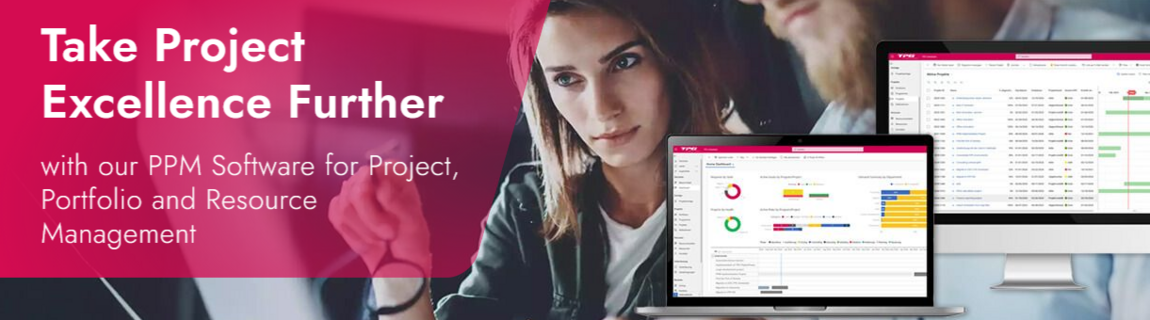
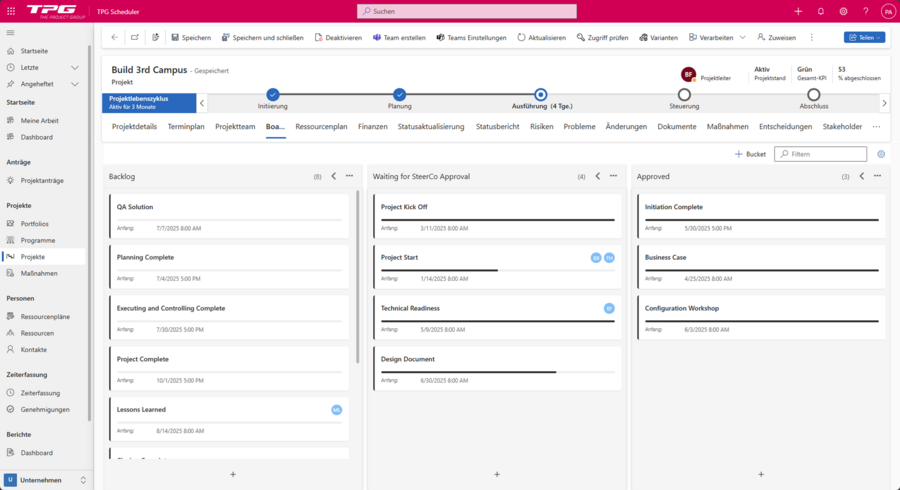
Benefits of PPP include greater visibility across projects, automated reporting for real-time insights, and support for data-driven decisions at all levels. Instead of manually collating updates from multiple spreadsheets, PMOs can instantly produce rich dashboards with up-to-date information on project health, resource utilisation and portfolio performance. This improves data accuracy and enables individuals and leaders to trust their metrics and focus on value delivery.
PPP also connects the Microsoft Project desktop client to a central cloud database, replicating and enhancing Project Online’s core scheduling and resource management features. Moreover, it is extendable via TPG’s integration solution PSLink, which links to enterprise finance and development systems including SAP, Orcale, Jira, and Azure DevOps etc. to ensure project data flows seamlessly across platforms.
With Microsoft pivoting towards AI-powered project tools in Microsoft 365, TPG’s ProjectPowerPack stands out as a future-proof PPM solution for organisations seeking to modernise. The retirement of Project Online provides a timely impetus for PMOs to re-evaluate their toolsets. By leveraging Microsoft’s latest technology and best-practice PPM processes, ProjectPowerPack enables teams to work more efficiently, eliminate manual overheads, and maintain full visibility and control over projects.
Find out further information, demo and contacts
TPG are a long-standing supporter of the PMO community and inaugural sponsor at the Project Forum, bringing practical expertise in helping organisations move beyond fragmented tools and into more connected, effective ways of working. If you’re currently dealing with multiple spreadsheets, manual reporting cycles, or disconnected systems, they’re well worth speaking to. Their team will be on hand to share real examples of how PMOs are evolving their toolsets using platforms like Microsoft 365, and how solutions such as ProjectPowerPack (PPP) and PSLink are helping create more integrated, streamlined environments.
Their Birds of a Feather session, What is a PMO Operating System?, is a relaxed, discussion-led session focused on tackling the reality many PMOs face – spreadsheet sprawl, siloed data, and time-consuming reporting that limits strategic impact. Rather than a presentation, it’s a guided peer conversation where attendees can share experiences, challenges, and ideas on moving towards a more integrated PPM approach. Expect practical takeaways, fresh perspectives on what a “PMO Operating System” really means, and a shortlist of realistic next steps you can take – whether that’s quick wins to reduce manual effort or starting to think differently about integration and data across your PMO.
Join them at:
11am in the Birds of a Feather area - read more
1pm in the Birds of a Feather area - read more